Introduction
High cholesterol is among the most well-known, but silent diseases all over the world. The majority of people do not experience any symptoms until complications like stroke, heart disease or blocked arteries start to manifest.
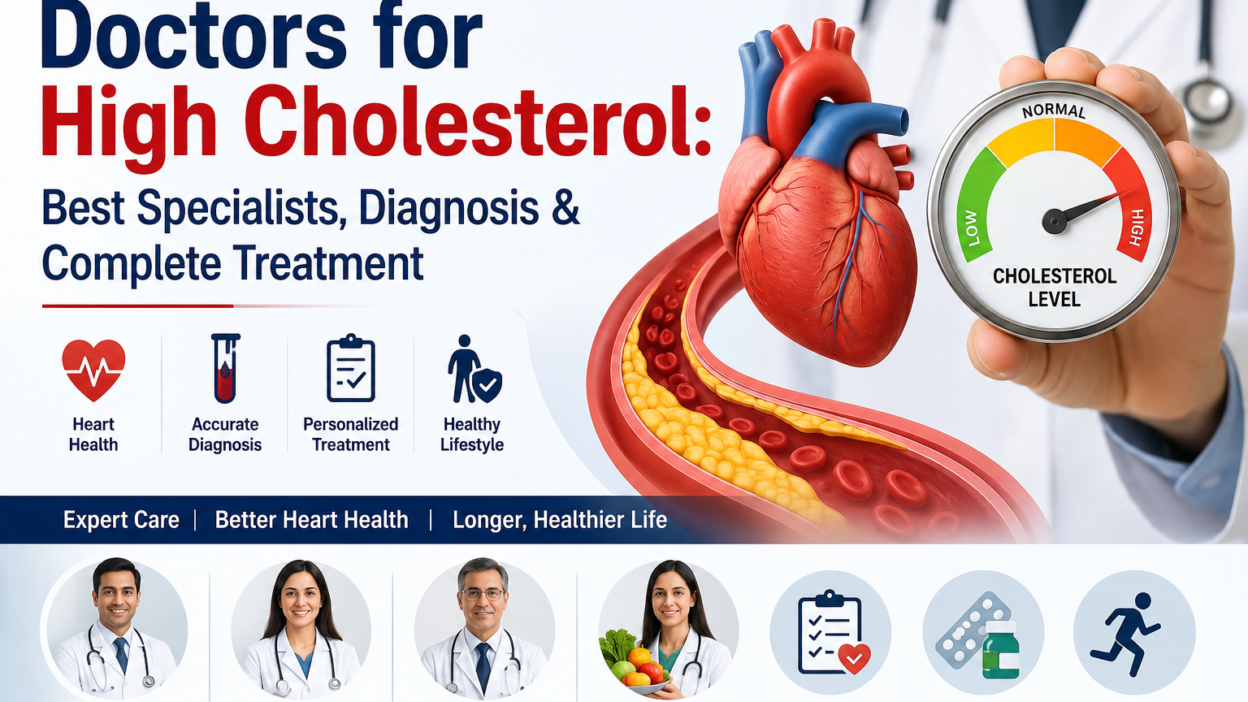
Because of this silent nature, choosing the right doctors for high cholesterol is extremely important. The right specialist not only helps lower your cholesterol but also reduces long-term risks related to heart health, blood pressure, and metabolic disorders.
In 2026, due to the increasing prevalence of chronic diseases of the body the need for early diagnosis and medical advice have become more vital than ever.
This guide explains the doctors who are treating high cholesterol. It also explains the methods they use to diagnose the condition, what treatment options are available and how to reduce cholesterol through your the way you live and your medical treatment.
What is High Cholesterol? (Simple Explanation)
Cholesterol is a substance that resembles fat that is found naturally in blood. The body requires it to make cells and to produce hormones. However, if cholesterol levels get excessively high, it begins building up within your blood vessels.
There are three types of:
- LDL (Low-Density Lipoprotein): Known as “bad cholesterol” because it blocks the arteries
- HDL (High-Density Lipoprotein): Known as “good cholesterol” because it gets rid of cholesterol excess
- Triglycerides The type of fat which raises the risk of heart disease when it is elevated.
If LDL grows and HDL decreases the risk of suffering from heart diseases increases significantly.
Which Doctors Treat High Cholesterol?
Different doctors can assist you based on your health condition and the risk you are taking. Here is a concise description of what to expect:
1. Primary Care Physician (First Step Doctor)
This is often the first doctor you need to go to.
They aid in:
- Routine cholesterol screening
- Basic diagnosis
- Lifestyle tips
- Initial treatment plan
In the event that your cholesterol level is mildly elevated, they can treat it without referring you to an expert.
2. Family Medicine Doctor
Family doctors offer long-term medical treatment for patients of all ages.
Best for:
- Monitoring of the cholesterol level on a regular basis
- Preventive care
- Family-based risk management
They concentrate on overall health and instead of just cholesterol.
3. Internal Medicine Specialist
They treat adult ailments and chronic illnesses.
They are perfect for:
- Complex cholesterol-related cases of complex cholesterol
- Patients suffering from hypertension or diabetes
- Long-term medication management
4. Cardiologist (Heart Specialist)
A cardiologist is the most crucial doctor if your risk of developing heart disease is very high.
You should consult the cardiologist
- If you already have heart disease, it’s a good idea to get it checked.
- If you are experiencing chest pain, or breathing problems.
- Your cholesterol is still uncontrolled
- Your family has a long history of heart issues
They concentrate in preventing heart attacks as well as stroke.
5. Endocrinologist (Hormone & Metabolic Expert)
Endocrinologists treat metabolic and hormonal conditions.
They can be helpful in the following situations:
- Diabetes is a complication
- Thyroid problems can affect cholesterol
- Genetic cholesterol disorders are common.
6. Registered Dietitian
Dietitians play an important part in non-medical treatments.
They assist in:
- Planning meals
- Low-cholesterol diet charts
- Weight management plans
- Healthy eating habits
How Doctors Diagnose High Cholesterol
Doctors generally begin with a basic blood test known as the cholesterol profile.
This test tests:
- Total cholesterol
- LDL cholesterol
- HDL cholesterol
- Triglycerides
Other tests may include:
- Blood sugar test
- Test of thyroid function
- Test of Liver Function
- The heart imaging (in high-risk patients)
Doctors make use of these results to assess the risk of heart disease in general.
Why Early Treatment of High Cholesterol Matters
Inattention to high cholesterol levels can result in serious health issues as time passes.
The possible complications are:
- Heart attack
- Stroke
- Aortic arteries blocked
- Peripheral arterial disease
The earlier treatment begins the simpler it becomes to manage cholesterol naturally or with medication.
Even small changes to the way you eat and live can greatly lower the risk of long-term illness.
Best Treatment Options for High Cholesterol
Treatment is based on your cholesterol level as well as risk factors.
1. Lifestyle Changes (First Line Treatment)
Doctors always suggest lifestyle improvements first.
The most important changes are:
- Aiming to eat more fruits, veggies and fiber
- The reduction of processed and fried food items
- Beware of trans fats and saturated fats
- At least 30 minutes of exercise each day
- Losing weight
- Quitting smoking
These changes could significantly reduce LDL cholesterol.
2. Medications (If Needed)
If the lifestyle changes you make aren’t enough, doctors might prescribe medications.
Common medicines are:
- Statins
- Cholesterol absorption inhibitors
- Triglyceride-lowering drugs
Doctors determine dosages based on the risk level and the results of tests.
3. Regular Monitoring
Cholesterol management does not have to be only a once-off treatment.
Doctors typically advise:
- Regular lipid profile tests
- Visits to follow-up every 3-6 months
- Lifestyle tracking
Healthy Diet for Cholesterol Control
A heart-healthy diet can play a important role in treating.
Foods that can help lower cholesterol
- Oats, whole grain and other cereals
- Nuts (almonds and walnuts, almonds)
- Fruits (apples, berries, oranges)
- Vegetables (spinach, broccoli)
- Healthy fats and olive oil
Foods to stay clear of:
- Fast food
- Fried foods
- Processed snack foods
- Red meat in excess
- Drinks with sugary substances
When Should You See a Doctor Immediately?
Do not put off seeking getting medical assistance if you are suffering from:
- Persistent chest pain
- Breathing shortness
- Sudden dizziness
- High cholesterol is a common occurrence.
- Heart disease is a family trait that has a strong history in the family. disease
A timely consultation can help avoid serious problems.
Conclusion
Finding the most suitable doctors to treat the treatment of high cholesterol is the foundation for efficient treatment for heart disease. If you begin with your doctor of your primary care or need an endocrinologist or cardiologist early detection and consistent treatment can greatly reduce the risk.
The high cholesterol can be controlled, but only if it is properly managed with the proper combination of medical treatment as well as diet, exercise and monitoring regularly.
The 2026 goal is not just on treatment instead, it’s about preventative measures and heart health protection.