

The discovery of the white spots on your teeth can be a bit frustrating particularly if they impact your confidence and smile. These opaque or chalky patches could appear on just some or all of your teeth and may range from being barely visible to extremely noticeable. Although white spots are usually harmless, they may signal underlying dental problems which require care.
The positive side is that many reasons for white spots are easily treated There are many efficient ways to improve the appearance and health of your smile. This guide will explain the most prevalent causes, the available treatments as well as prevention strategies. It also explains when you need to see the dentist.
What Are White Spots on Teeth?
White spots are places that have lost enamel minerals or has developed differently from the surface of the tooth. Because they have different reflections, the appearance is more bright or more chalky than the other areas of the tooth.
They may affect adults and children. They may appear gradually or be noticed following orthodontia, illness, or changes in dental hygiene.
Common Causes of White Spots on Teeth
Finding out the cause can be the very first thing towards selecting the best treatment.
Enamel Demineralization
The most frequent causes is enamel desineralization. It occurs when the acids produced by bacteria strip vital minerals from the surface of the tooth. Inadequate brushing and frequent consumption of sugary snacks and plaque buildup increases the chance of developing this condition.
Dental Fluorosis
The fluorosis condition develops when children consume a lot of fluoride when permanent teeth are beginning to form. It is typically seen as white streaks or spots, and is mostly an aesthetic issue.
Orthodontic Braces
Braces wearers may be able to see white spots after the brackets have been taken off. Plaque can build up around brackets, which can cause small mineral loss when flossing and brushing aren’t sufficient.
Enamel Hypoplasia
The condition is caused by enamel that fails to develop correctly. It could be the result of illnesses in childhood or nutritional deficiencies as well as premature birth or other genetic issues. Teeth that are affected by enamel hypoplasia could have grooves, white spots as well as thin enamel.
Poor Nutrition
Insufficient intakes of calcium, vitamin D, phosphorus and other nutrients during the process of tooth formation may affect the enamel’s quality and cause discoloration.
Signs and symptoms that are associated with white spots
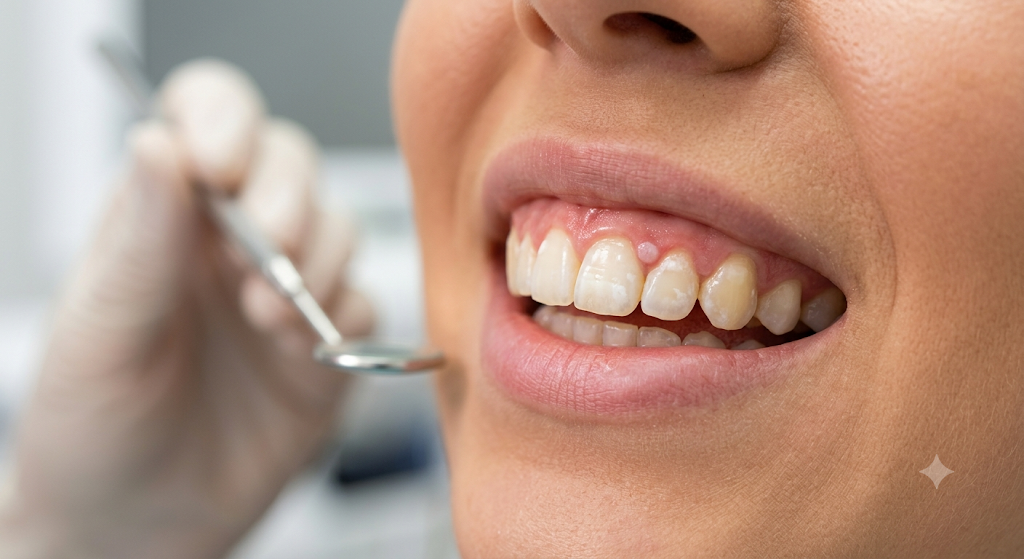
While many people only notice the changes in appearance the appearance of white spots can be accompanied by an increase in tooth sensibility or roughness. If the spots grow more painful, darker or develop into cavities, an immediate dental exam is suggested.
Treatment Options
The correct treatment will depend on the root cause and the severity that the skin discoloration is severe.
| Treatment | Best For | Benefits |
|---|---|---|
| Fluoride Therapy | Early enamel demineralization | It strengthens enamel and aids in remineralization. |
| Resin Infiltration | White spots that are mild to moderately white. | Blends discoloration of enamel with surrounding |
| Professional Teeth Whitening | Small cosmetic distinctions | Improves overall tooth color, while decreasing contrast |
| Dental Bonding | Larger or deeper spots | The material covers discoloration using tooth-colored materials |
| Porcelain Veneers | Cosmetic concerns that are severe | Offers long-lasting aesthetic enhancement |
A dentist will recommend the most appropriate solution after looking at the teeth.
Can White Spots Be Removed Naturally?
Early white spots due to mineral loss may be improved with proper oral hygiene and Remineralization. Although home treatment can reduce their appearance, more serious enamel imperfections usually require expert treatment.
A healthy lifestyle can build more solid enamel and prevent the formation of new spots.
Preventing White Spots on Teeth
It is simpler to prevent white spots to treat than treating it. Maintaining good dental hygiene and protecting enamel must be part of your routine schedule.
Simple prevention strategies include:
- Every day, brush twice with fluoride toothpaste twice a day.
- Floss regularly to remove plaque from between your teeth.
- Reduce the consumption of sugary and drinks that are acidic.
- Regularly attend dental checkups and cleanings.
- Follow the instructions of your dentist If wearing braces.
These methods reduce plaque buildup and aid in maintaining the health of enamel.
Diet and Lifestyle Tips
Nutrition plays a crucial part in the health of enamel. A balanced diet that is rich with dairy foods, leafy vegetables, fish, nuts and food items that are rich in vitamin D and calcium can support healthier teeth.
Drinking a lot of water helps to wash food particles as well as neutralize acids that may harm enamel.
Restricting your snacking habits, beverages that are sugary, as well as food items that are acidic gives the teeth time to heal between meals.
When Should You See a Dentist?
While some spots of white are only cosmetic, other might indicate tooth decay or damage to enamel.
Schedule a dental appointment if:
- The amount of white spots is increasing.
- The teeth that are affected are sensitive.
- A dark or brown discoloration may develop.
- You can see pits or rough spots within the enamel.
- The spots are visible after braces have been removed.
Early detection allows for more conservative treatment, and more long-term benefits.
Are White Spots Always a Sign of Tooth Decay?
No. White spots can have a variety of causes, but not all suggest cavities. Certain are due to developmental issues like fluorosis and enamel hypoplasia. Others are related to the loss of minerals in the early stages which is often managed prior to the progression of decay.
A thorough dental examination will be the most accurate method to identify the precise reason.
Conclusion
The appearance of white spots in teeth are a typical dental problem that may develop due to a variety of reasons, such as fluorosis, enamel demineralization orthodontic treatment, or the development of enamel disorders. While they can affect the appearance more than their function however, they shouldn’t be dismissed, particularly in the event that they persist to alter or are accompanied by sensitiveness.
The good news is that modern dentistry provides various effective treatment options including fluoride therapy, resin infiltration, to veneers and bonding. In conjunction with good dental hygiene, a balanced diet and regular dental visits These treatments can enhance the appearance and well-being of your smile.
Frequently Asked Questions
1. What can cause the white spots on teeth?
Common causes are enamel desineralization, dental fluorosis braces, hypoplasia of the enamel, and nutritional deficiencies in the development of teeth.
2. Are white spots on teeth able to disappear?
The early spots that result from mineral loss can be improved through remineralization as well as proper dental hygiene, whereas more severe enamel problems usually require professional treatment.
3. Are the white spots on your teeth are permanent?
But not always. Certain types of teeth can be reduced or covered up using contemporary dental treatments like the infiltration of resin, whitening or bonding, or veneers.
4. Do the white spots indicate that there are cavities in my mouth?
Not necessarily. White spots could be a warning indication of weakening enamel, but they could also be a result from other conditions that are not decay like fluorosis and hypoplasia.
5. How can I stop white spots from developing?
Make sure you floss and brush regularly Make sure to use fluoride toothpaste. restrict sugary beverages and foods Maintain a healthy diet, and see your dentist frequently to ensure preventive treatment.